In Cardiology
Alpha-1-antitrypsin deficiency (AATD) is a condition that's passed through families, called inherited. It can cause damage to the lungs, liver, skin and blood vessels. Not everyone who has AATD develops symptoms or health concerns. People in the same family may have different symptoms.
Genes control how every cell in the body works. Some genes decide basic traits, such as eye color or hair color. Other genes can increase the risk of getting certain diseases, including AATD.
One gene tells the liver to make alpha-1-antitrypsin (AAT or A1AT) protein. This protein travels through the bloodstream to protect the lungs from smoke, pollution, fumes or dust that is breathed in.
But in people who have AATD, gene changes cause the liver to either not make enough AAT protein or make protein that isn't formed correctly. These gene changes also are called variants. Researchers have found more than 120 variants that are linked to AATD.
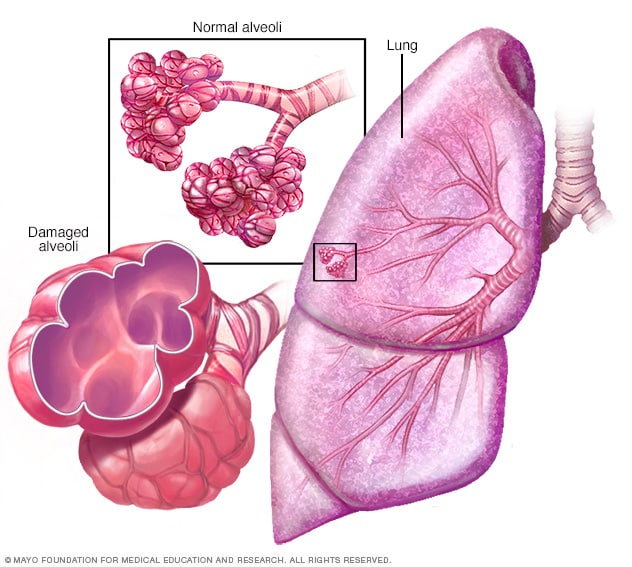
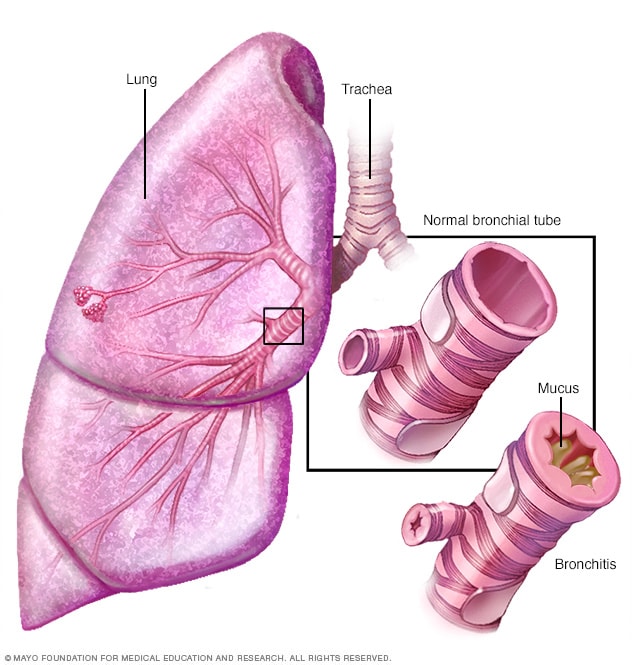
In the lungs, a lack of AAT protein can lead to emphysema or ongoing bronchitis. These are forms of chronic obstructive pulmonary disease (COPD). The lack of protein also can lead to bronchiectasis. In the liver, AATD that builds up can cause fibrosis and cirrhosis. AATD also can increase the risk of liver cancer.
AATD has no cure. But with early diagnosis and the right care, many people with AATD can prevent serious problems or control symptoms and improve their quality of life. Some people who have never smoked may live a typical lifespan. However, they may still develop lung disease, liver disease or both.
AATD symptoms depend on which organs are affected and how severe the condition is. Symptoms can vary within families.
Symptoms typically start in adults older than 30 years old. But children also may have symptoms of liver disease. Not everyone who has AATD has symptoms.
AATD most often affects the lungs and liver. But AATD can affect skin and blood vessels.
The AAT protein that usually protects the lungs doesn't work well or there isn't enough. Lungs can be more easily damaged from smoke, air pollution, fumes and dust. Cigarette smoke is the most common cause of lung disease.
Symptoms of lung disease may include:
Lung disease caused by AATD is rare in children.
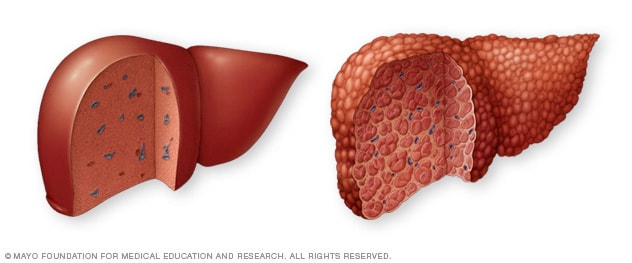
The liver makes the AAT protein. But if the AAT protein isn't formed correctly, the protein builds up in the liver, potentially causing scarring that can progress to end-stage liver disease or cirrhosis. Symptoms of liver disease may include:
Symptoms of liver disease may be different in children. Infants may have jaundice that doesn't go away, swelling in the belly, dark urine or pale stools.
AATD can damage the skin, but this is rare. Symptoms may include:
Rarely, skin diseases can affect newborns and children.
AATD can cause inflammation of the blood vessels. This is rare. Symptoms may include:
Symptoms of blood vessel swelling are rare in children.
AATD is caused by a change in the SERPINA1 gene. This is the gene that tells the body to make the AAT protein.
The AAT protein is known as a protease inhibitor (PI). An inhibitor stops something from happening or keeps it in check. The AAT protein helps control protease enzymes produced in the body. These enzymes, such as the neutrophil elastase enzyme, can destroy lung tissue. So keeping protease enzymes in check helps protect lung tissue.
AATD is an autosomal dominant condition. Each person inherits two copies of the SERPINA1 gene, one from the mother and one from the father. Having two variants of the gene means you have AATD.
Having one variant of the gene means you are a carrier for AATD. You likely won't develop AATD complications. But you could pass the changed gene to your children.
Different types of gene changes affect how much AAT protein is made and how well it works. AATD can affect people in different ways. People may have AATD and not even know it.
If the liver doesn't make enough AAT protein or if the AAT protein doesn't work as it should, the neutrophil elastase enzyme attacks lung tissue, causing it to break down. This increases the risk of lung diseases such as COPD.
AAT protein that builds up in the liver may cause liver damage. This increases the risk of liver diseases such as cirrhosis.
Testing the SERPINA1 gene can tell which variant potentially puts a person at an increased risk of lung, liver, skin and blood vessel conditions. Variants are grouped into categories of how the variants affect the AAT protein's quantity or quality.
Variants are assigned a letter based on how the protein moves when it's stimulated by an electric charge. For example, AAT protein that looks and works as it should has the letter M. And AAT protein with low quantity or quality has either the letter S or Z. Having an S or Z variant raises the risk of AATD.
Together, two variants — one from each parent — determine the increased risk of lung or liver diseases. This pair of variants is known as a genotype. The MM genotype has the lowest risk of AATD. The ZZ genotype has the highest risk of AATD.
Different combinations of genetic changes can increase the risk of certain conditions. The genotypes are written with an asterisk.
Risk factors for AATD include:
Complications of AATD can affect the lungs, liver, skin or blood vessels.
People who have AATD can damage their lungs by repeated exposure to smoke, fumes, air pollution or dust. People with AATD who smoke typically develop lung disease between ages 40 and 50 — about 10 years sooner than people who don't smoke. Lung disease can start in someone who has AATD in their 30s. Smoking increases the risk of lung disease, and smoking causes more-severe lung disease than in someone who doesn't smoke.
 Enlarge image
 Enlarge image
AATD raises the risk of a group of lung diseases known as chronic obstructive lung disease (COPD). COPD is an ongoing lung condition caused by damage to the lungs. Swelling and irritation can block airflow and create extra mucus, which makes breathing hard.
The two most common types of COPD are:
In people who have AATD, COPD usually develops before age 55. Lung disease is most common in people older than 30. Lung diseases are more common in adults than in children.
 Enlarge image
SERPINA1 gene changes can change the shape of the AAT protein. When the liver can't move the AAT protein into the bloodstream, the protein builds up and has nowhere to go. Over time, this buildup can cause damage. Liver disease can start at any age, including at birth.
AATD raises the risk of liver diseases:
Infants can get liver disease. AATD is the main cause of liver disease in children. Adults can get liver disease if they didn't have it during childhood.
People with AATD have an increased risk of a skin condition called panniculitis. Swelling of tissue under the skin can cause painful lumps. Lumps often appear in the lower belly and legs.
Painful patches or lumps also can appear on the skin. They most often form on the thighs and buttocks. The lumps may break open and leak an oily liquid.
The average age panniculitis occurs is about age 40. Panniculitis is rare.
AATD raises the risk of a group of blood vessel conditions called vasculitis. Blood vessels become damaged because of swelling called inflammation. Either arteries or veins can be affected. Swelling on the walls of blood vessels narrows or blocks blood flow. Vasculitis also can cause blood clots, which could cause a heart attack or stroke.
Some blood vessel damage can cause death. Vasculitis is rare.
Book an appointment today and receive quality medical care.
Book AppointmentMaitama, Abuja